Share the scope
List rooms and bulky items. Send wide photos plus close views of anything unusually heavy, fragile, sharp, liquid, or damaged.
This work should move at the pace the authorized family representative sets. The team handles agreed lifting and hauling without treating every room like ordinary trash removal.
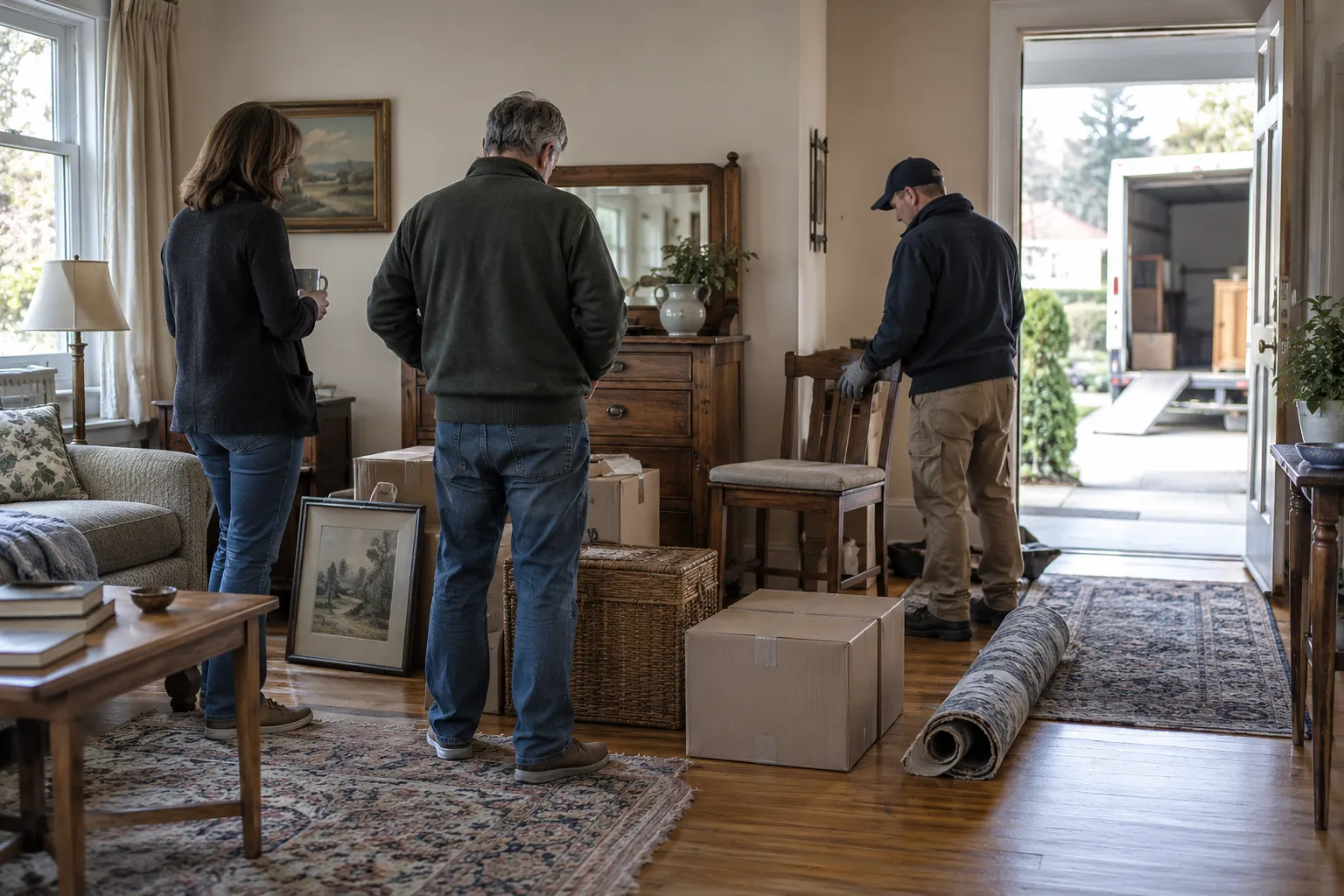 Scope first: rooms, items, access, unusual materials, and deadline.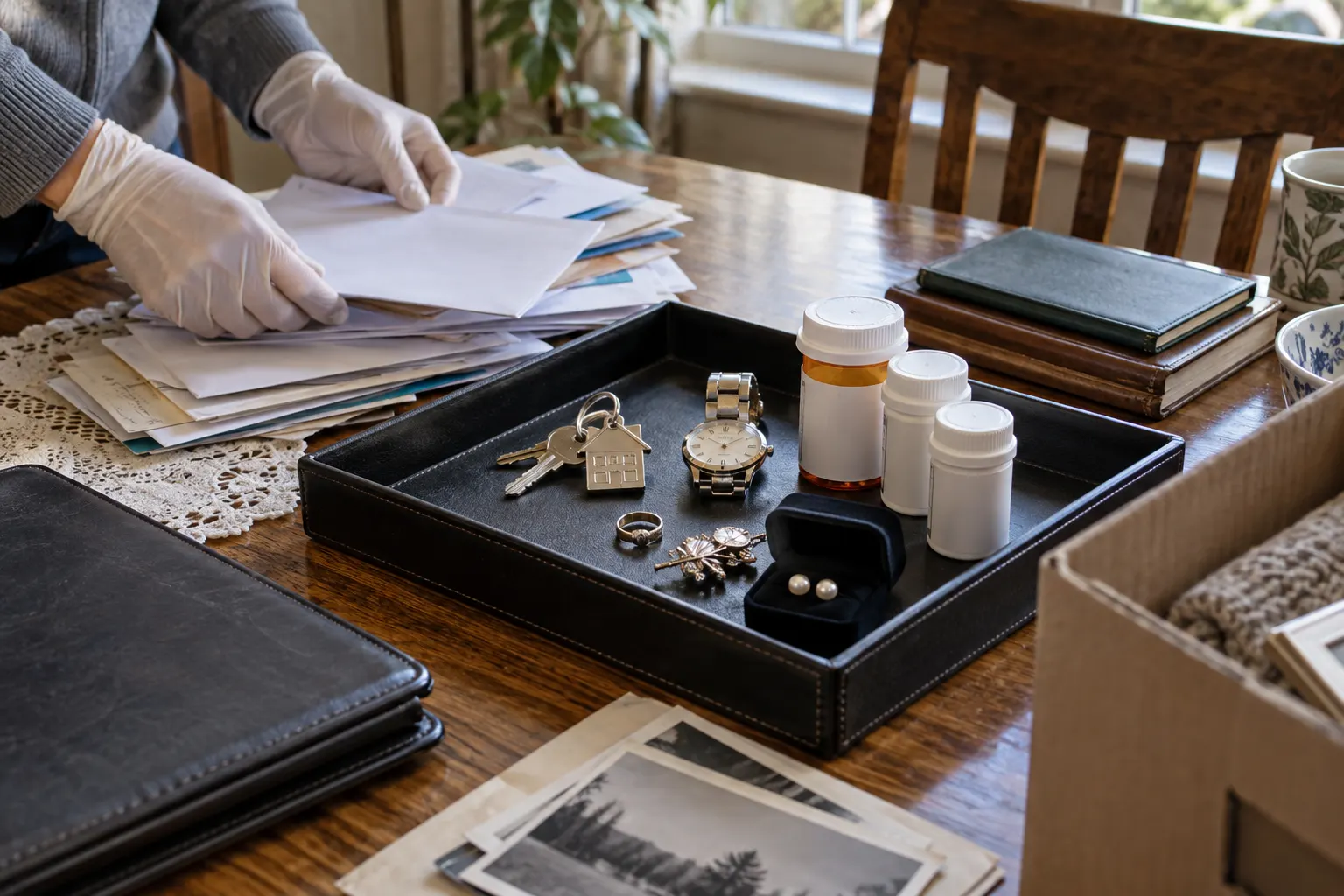
List rooms and bulky items. Send wide photos plus close views of anything unusually heavy, fragile, sharp, liquid, or damaged.
Note stairs, narrow doors, elevators, gates, parking, loading distance, and property rules.
Remove records, valuables, medicine, devices, keys, and items that belong to another decision route.
The authorized customer and team confirm what leaves before lifting and loading begin.
Photos help, but access and material details often change the labor and loading plan.
No. Full-service removal can begin inside agreed areas. Share stairs, tight turns, distance, floor-protection needs, and difficult access before the estimate.
The customer decides what is released. Reuse depends on condition and current acceptance rules, so a donation outcome cannot be guaranteed.
Identification, financial and legal records, medication, keys, jewelry, photographs, digital devices, and anything subject to a family or ownership question.
No. Paints, solvents, fuels, pesticides, unknown liquids, asbestos, medical waste, and other regulated materials need an appropriate separate route.
A careful pre-cleanout sequence for sensitive property that should remain with the family or authorized representative.
Call or text the operating team. A short item list and a few wide photos help them understand the job before scheduling.